
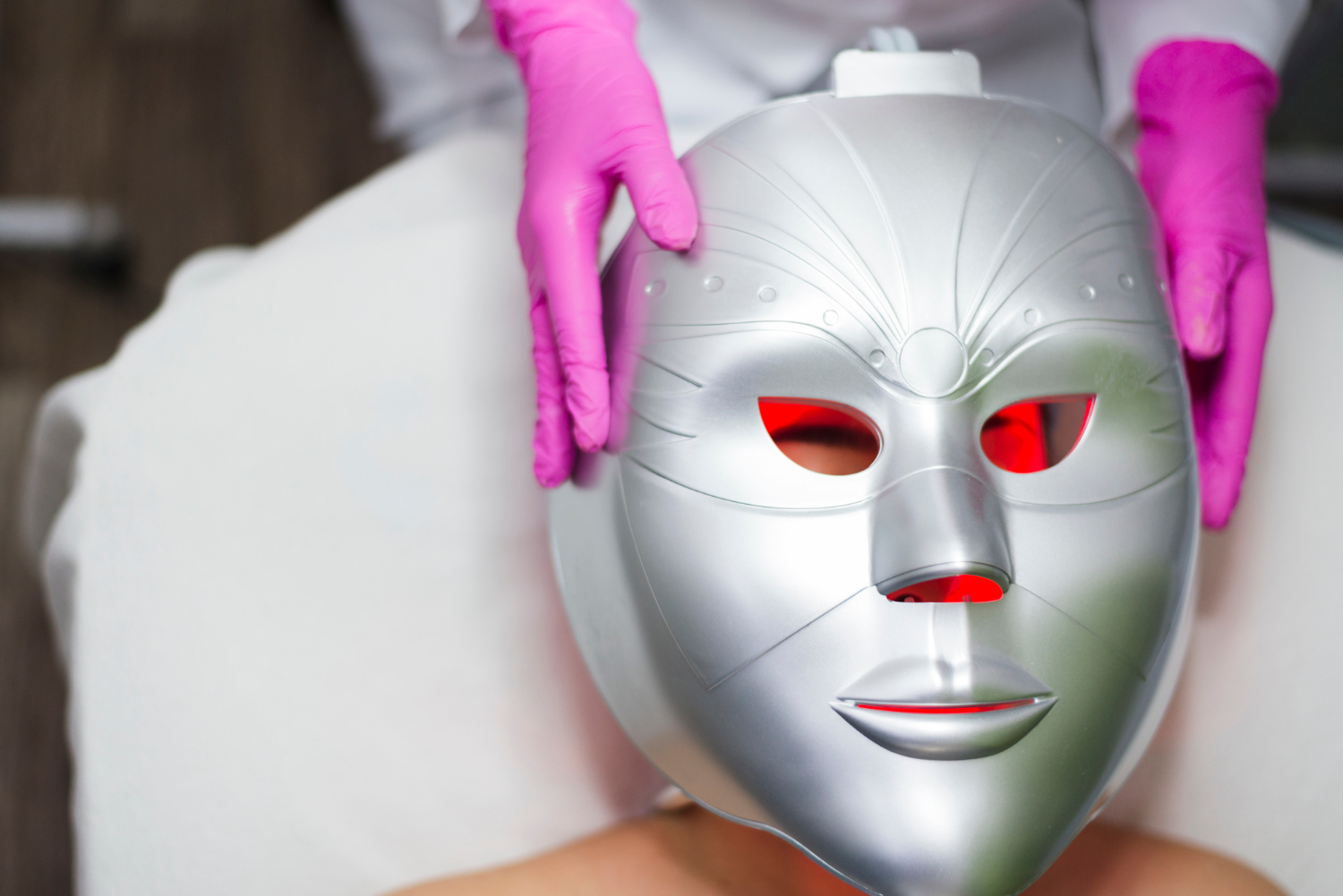
Red light therapy is having its moment, and for good reason. It’s popping up everywhere, like on Instagram, in beauty blogs, and even in dermatologists’ offices. But before you rush out to grab a red light mask, let’s hit pause for a moment. Is it all it’s cracked up to be? Can it really do wonders for your skin, or is it just another beauty trend? Here’s the lowdown on red light masks to help you make an informed decision before you splurge. Read on and find out the truth behind this popular treatment.
What Exactly Does a Red Light Mask Do?
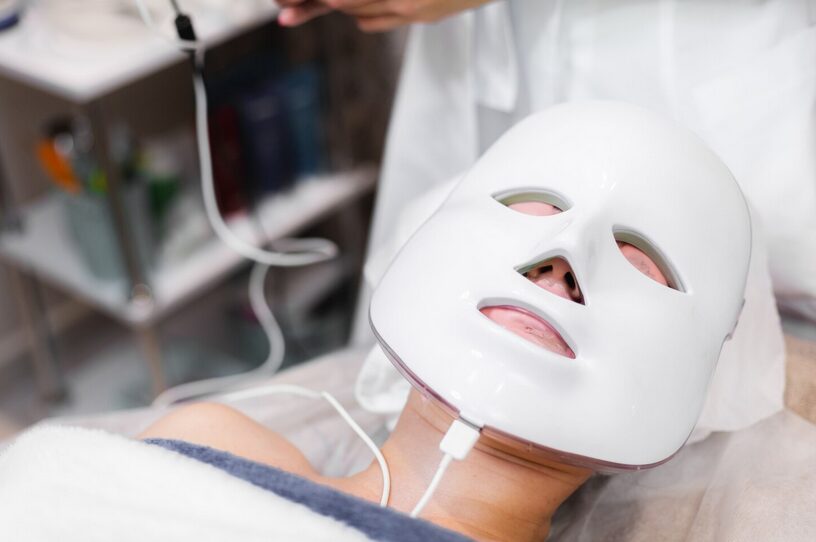 Red light therapy uses wavelengths of light to penetrate your skin, aiming to stimulate collagen production and reduce inflammation. In simpler terms, it’s like giving your skin a mini workout. The idea is that these wavelengths help improve skin tone, texture, and elasticity. Red light is especially known for its anti-aging properties, so if fine lines and wrinkles are on your mind, this could be your go-to solution. Red light masks are designed to deliver this light therapy to your face, so you can treat yourself from the comfort of home. But before you get excited, remember—results can take time.
How to Choose the Right Red Light Mask
Not all red light masks are created equal, so don’t just buy the first one you see online. When shopping around, look for masks that offer the right wavelength, typically between 600 and 650 nanometers, for optimal skin benefits. You also want to make sure the mask has an even light distribution. So, every part of your face gets the treatment it needs. Another thing to keep in mind is comfort. Red light masks should fit your face properly and be comfortable to wear for the duration of your session, which can last anywhere from 10 to 20 minutes. If the mask is too bulky or doesn’t sit well on your face, it could be a hassle to use regularly.
Do Red Light Masks Really Work for All Skin Types?
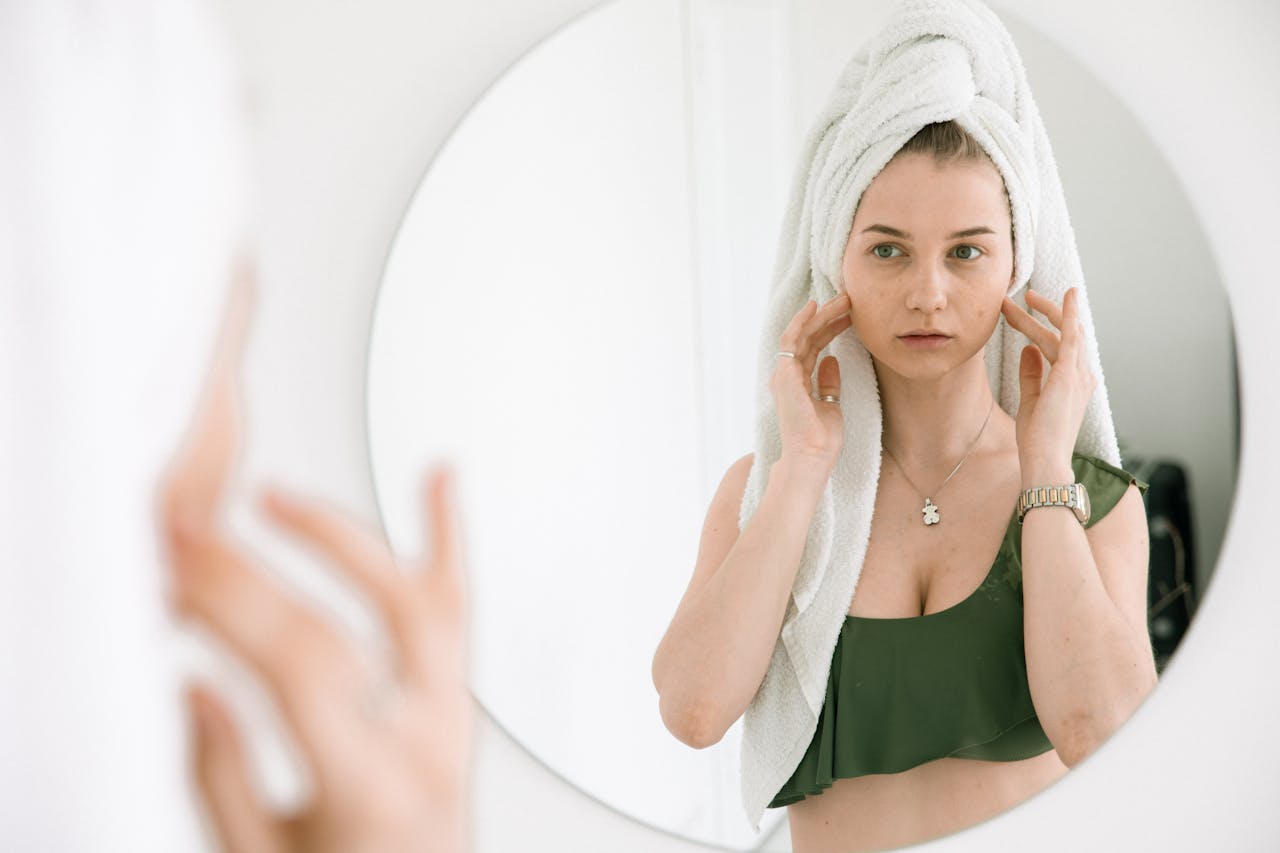
Good news! Red light therapy is generally safe for all skin types. It’s non-invasive, and most people experience minimal irritation. However, it’s important to note that if you have specific skin conditions, like active acne or rosacea, you should check with a dermatologist before using a red light mask. In rare cases, the heat from the mask might cause irritation or flare-ups, so it’s always best to do a patch test on a small area of your skin before diving into regular use. For the majority of people, red light masks can be a great addition to a skincare routine. They help to reduce redness, soothe irritation, and even out skin tone.
How Often Should You Use a Red Light Mask?
To get the best results, you’ll need to commit to a consistent routine. Most experts recommend using a red light mask 3-5 times a week, especially in the beginning. After a few weeks, you might want to scale back to 2-3 times a week to maintain your results. Just like any skincare treatment, consistency is key, so make sure you’re keeping up with it. Also, don’t overdo it. While red light therapy is safe, using the mask too often won’t necessarily speed up your results. Give your skin some time to absorb the benefits.…
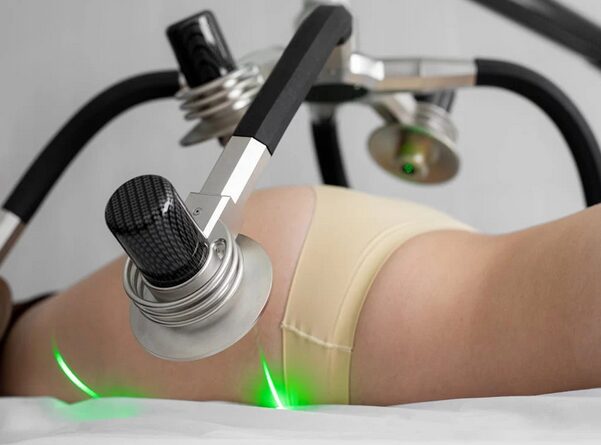
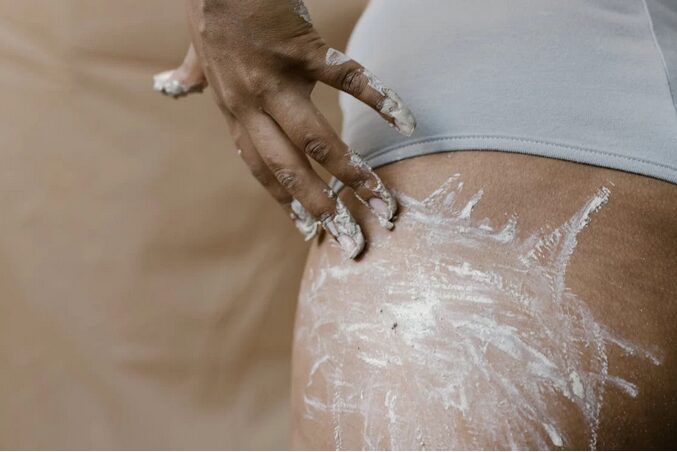
 Finding the right laser treatment for stretch marks begins with a conversation. A qualified dermatologist is your best ally in this journey. They have the expertise to assess your unique skin condition. During your consultation, discuss any concerns or questions you may have about the procedure. This is an opportunity to understand what laser options are available and which might be most effective for you. A skilled dermatologist will evaluate factors like skin type, texture, and healing potential. Their insights can guide you toward treatments tailored specifically to your needs.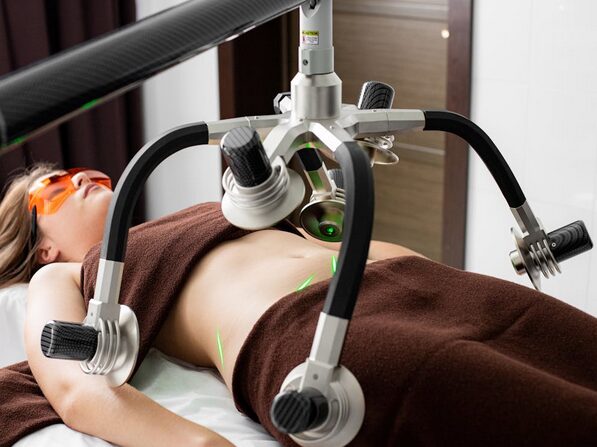
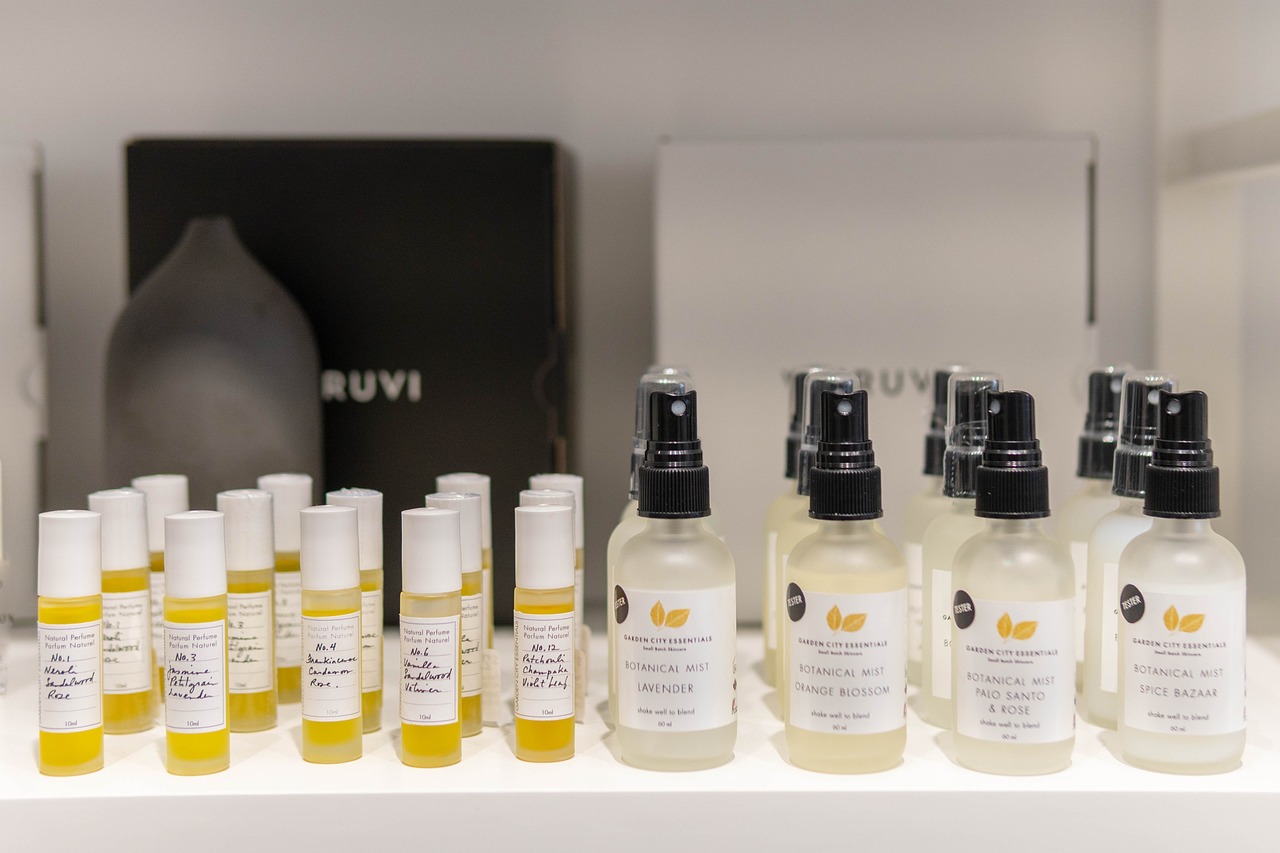
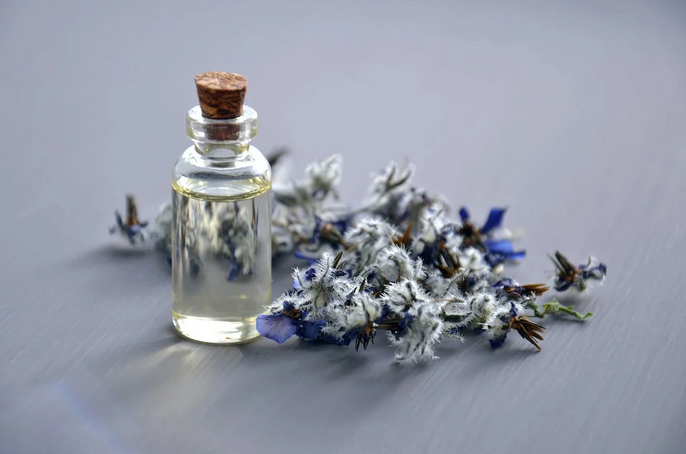
 Before delving into application techniques, it’s crucial to select a face oil that aligns with your skin’s unique needs and concerns. Different oils boast varying compositions and properties, making some more suitable for specific skin types than others.
 In addition to overall application, face oils can be utilized as targeted treatments to address specific skincare concerns. For instance, you can dab a small amount of oil onto areas prone to dryness or flakiness, such as the under-eye area or around the nose.

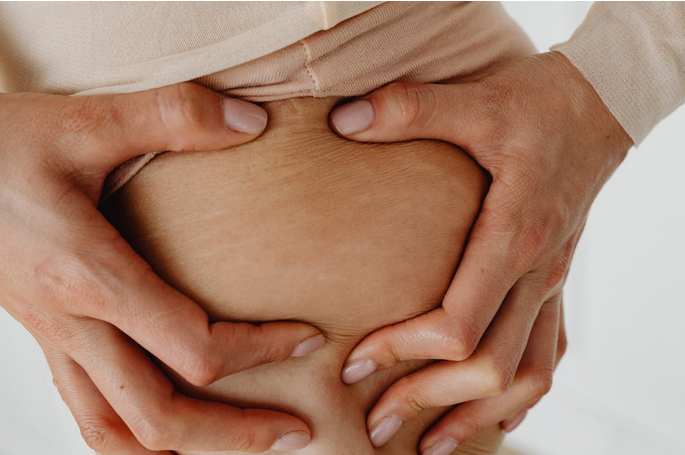
 Aloe vera has been a natural remedy for centuries to heal various skin conditions. The plant contains a gel rich in vitamins, minerals, and antioxidants to help rejuvenate the skin. Aloe vera effectively reduces the appearance of stretch marks, as it promotes collagen and elastin production in the skin. This helps to restore the skin’s elasticity, making it more resistant to stretch marks. Aloe vera can also help to reduce inflammation and redness associated with stretch marks, which can help to improve the overall appearance of the skin.
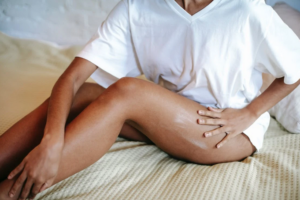 Massage therapy has been used for centuries to promote relaxation, reduce stress, and alleviate pain. In recent years, it has gained increasing recognition as an effective treatment for a variety of health issues, including stretch marks. Massage therapy can improve the appearance of stretch marks by increasing blood flow and promoting collagen production in the affected area. It can also help to break down scar tissue and improve skin elasticity, resulting in a smoother, more even complexion.
 You should avoid foods that are high in sugar, such as candy and baked goods. They tend to be very calorie-dense with little nutritional value. You should eat less food than usual when you’re trying to lose weight or even aim for eating just enough so that your stomach is slightly “empty.” This will help reduce cravings and the chances of overeating. Reduce portion sizes for dinner by about one-third and eat slowly, savoring each bite of the meal. Limit alcoholic beverages; they are loaded with empty calories that can easily be stored as fat. You should eat less food than usual when you’re trying to lose weight or even aim for eating just enough so that your stomach is slightly “empty.” This will help reduce cravings and the chances of overeating. Reduce portion sizes for dinner by about one-third and eat slowly, savoring each bite of the meal. Check out your local farmer’s market, plant a garden or join community food share to supplement your grocery budget.
 If you’re not getting enough sleep, your body isn’t going to function correctly. Getting eight hours of sleep every night is the best way to stay healthy and lose weight. If you’re not getting enough sleep, you’ll end up making bad food choices and skipping workouts. You can’t outrun your fork (or lack thereof). You need to make healthy dietary changes if you want to lose weight. Sleeping can help you do that. Sleeping can be the solution to your weight loss problems as long as you’re not snacking too much at night and burning fewer than 500 calories during workouts each day. If either of those is happening, then try getting more sleep until you see results! Your body needs rest to recover from working out, and you won’t burn as many calories if your body isn’t fully rested. It’s also essential to get enough sleep because it can help reduce stress, a major cause of overeating. If you’re stressed out, you are then trying to get more sleep instead of eating!
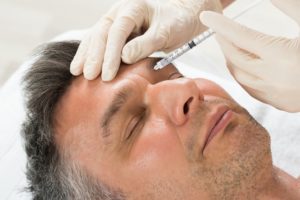 One of the reasons most people prefer dermal fillers is the improvement in the facial contours after an injection. Also, after the injection, you do not have to wait to enjoy the benefits of the treatments as other procedures. Immediately these fillers are injected into the target area, the wrinkles decrease on your skin and add volume to it.
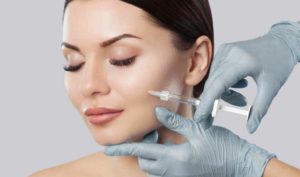 One of the significant reasons most people prefer using dermal fillers is to enhance their beauty or physical appearance. After this procedure, it is advisable to note that your facial contours will be sharper and your skin smoother. Therefore, this will boost your confidence, especially if you have